Why Night Prayer in the Haram Is Different
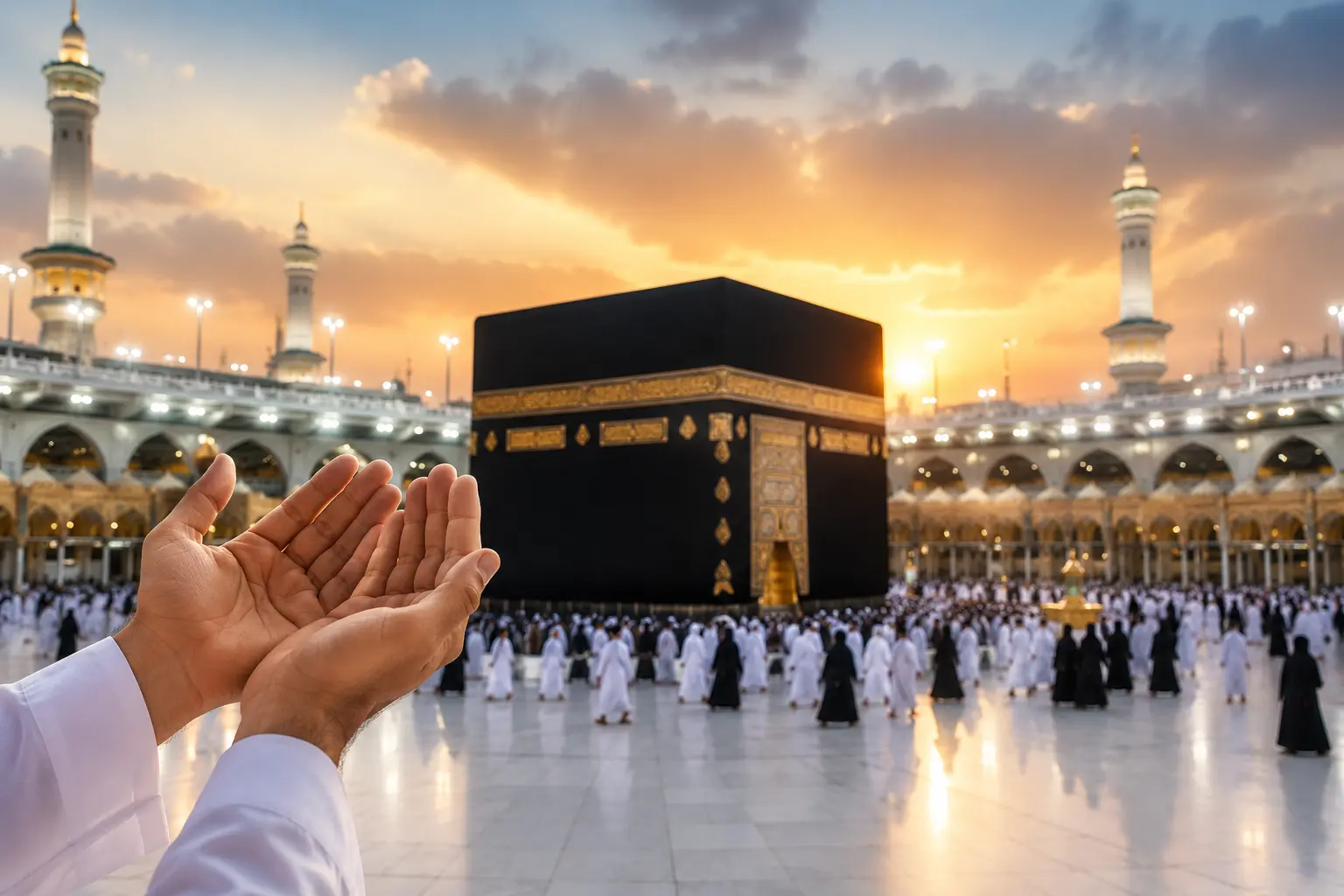
Allah descends to the lowest heaven in the last third of every night, asking: "Who is calling upon Me that I may answer him? Who is asking of Me that I may give him?" (Bukhari). Now imagine making that call beneath the Kaaba's shadow, among thousands of worshippers weeping in du'a. No description does it justice.
When Is the Last Third of the Night?
Calculate: divide the time between Maghrib and Fajr by three. The final third begins at that point. In Makkah during summer, this might be 2:30am–4:30am. Set an alarm and sleep after Isha to manage energy.
How to Prepare
- Sleep after Isha — even 2–3 hours helps.
- Keep Ihram or clean clothes ready by your bed.
- Prepare wudu supplies — Haram bathrooms are busy before Fajr.
- Write your du'a list the evening before.
What to Expect in the Haram
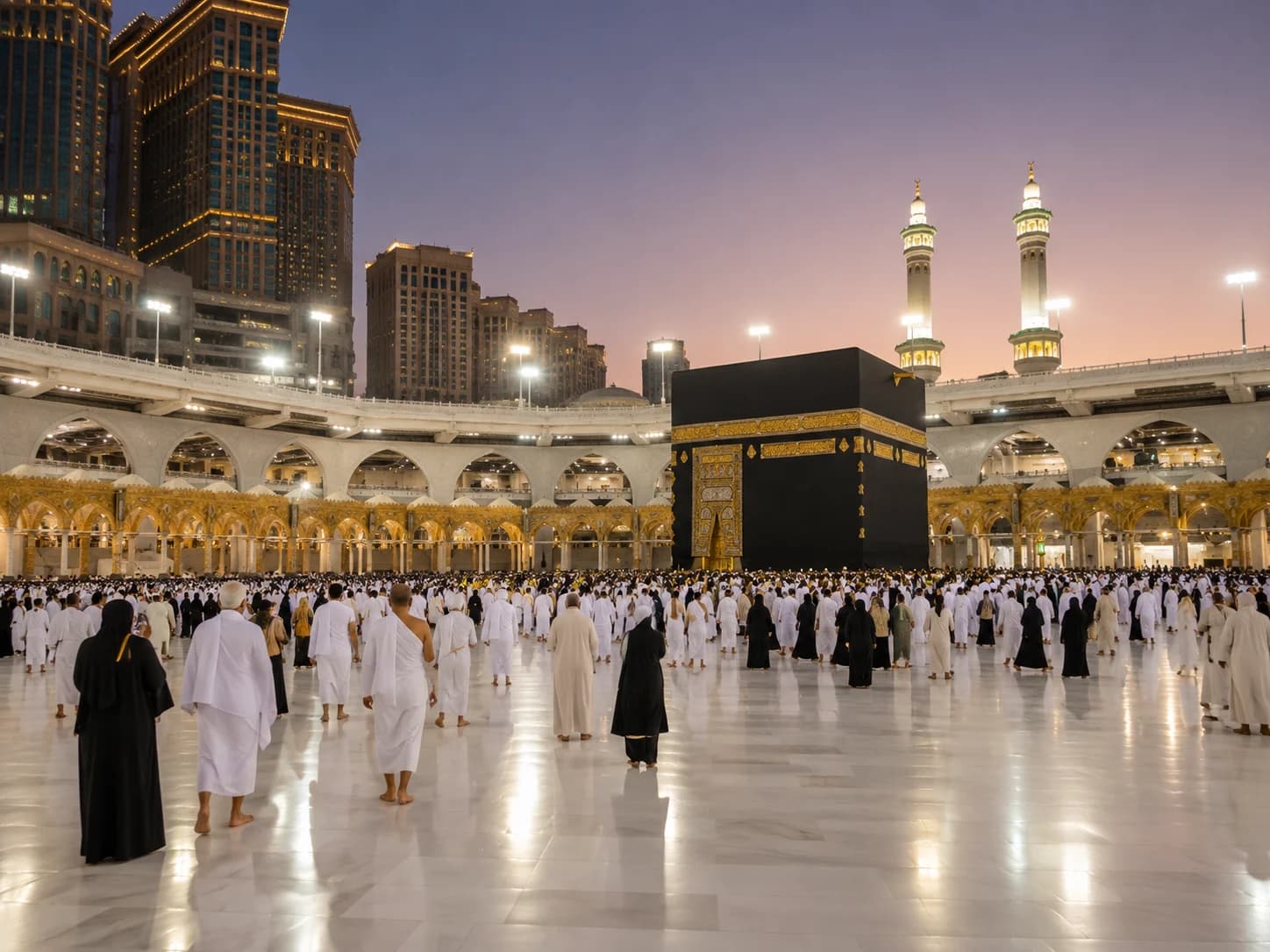
The Haram never fully sleeps. During the last third, you will find circles of Quran recitation, individuals in prolonged sujud, and the quiet hum of thousands of whispered du'as. Find a spot near the Kaaba if possible — arrive 30 minutes before your intended prayer time to secure space.
A Simple Tahajjud Structure
Pray two rak'ah at a time with short breaks for du'a between each pair. Eight rak'ah followed by Witr is the Sunnah of the Prophet ﷺ. Recite whatever Quran you know — quality of presence matters more than length of recitation.
After Tahajjud
Stay for Fajr in congregation — the reward of praying Fajr after a night of worship is immense. Many pilgrims describe their Tahajjud-Fajr experience in the Haram as the single most spiritual moment of their entire Umrah.